Get Commercial Roof Inspection Service
Commercial roof inspection services help property owners identify potential issues, assess roof condition, and ensure proper maintenance or repairs by experienced local contractors.
If you own a commercial property in the area, ensuring your roof is in solid condition is an important part of maintaining your investment. Regular roof inspections can help identify potential issues early, preventing costly repairs and minimizing disruptions to your operations. Property owners often turn to local contractors for expert assessments that provide peace of mind and support effective planning for future maintenance or upgrades. Exploring your options for professional roof inspections can help you compare services and find the right fit for your property’s needs.
Understanding the condition of your commercial roof is essential for making informed decisions about maintenance and repairs. By connecting with experienced service providers nearby, property owners can access detailed inspections that highlight areas needing attention. Whether you’re preparing for a project or simply want to stay ahead of potential problems, reviewing local options for roof inspection services can help you plan confidently and ensure your property remains protected over time.
- Flat commercial roofs - property owners may need inspections after severe weather or before lease agreements.
- Metal roofing systems - businesses might require assessments to identify corrosion or damage.
- Built-up roofing (BUR) - facilities may need inspections to ensure membrane integrity and waterproofing.
- Single-ply roofing - property managers might seek evaluations for punctures or seam issues.
- Green or vegetative roofs - building owners may need inspections to monitor plant health and drainage performance.
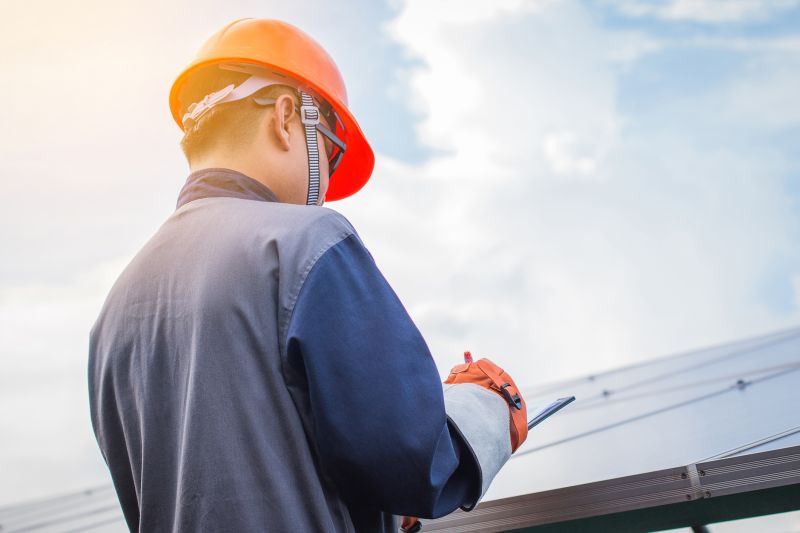
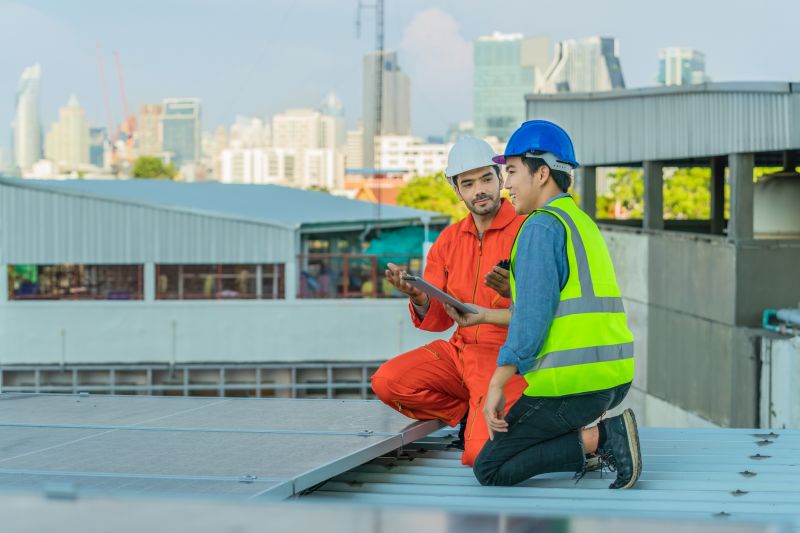
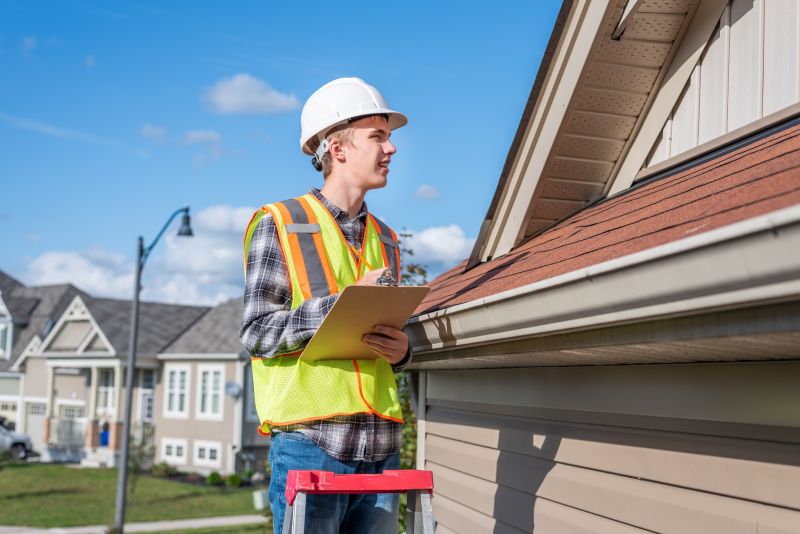
Commercial roof inspection services involve a thorough assessment of a building’s roofing system to identify potential issues before they develop into costly repairs or disruptions. These inspections typically include a visual examination of the roof’s surface, drainage systems, flashing, and structural components. Service providers may also utilize specialized equipment to detect hidden problems such as leaks, moisture buildup, or material deterioration. Regular inspections help property owners maintain the integrity of their roofs, ensuring they remain in good condition and continue to protect the building effectively.
One of the primary benefits of commercial roof inspections is diagnosing problems early. Common issues that inspections can uncover include damaged or missing shingles, compromised flashing, ponding water, and signs of wear caused by weather exposure or aging materials. Identifying these issues early allows property owners to address them promptly, preventing leaks, structural damage, and the need for more extensive repairs down the line. Inspections can also verify whether existing roofing systems meet safety and building standards, providing peace of mind for property managers and owners.
These services are often utilized by a variety of property types, including office buildings, retail centers, warehouses, industrial facilities, and multi-family complexes. Commercial properties tend to have larger and more complex roofing systems that require specialized knowledge to inspect thoroughly. Regular inspections are especially valuable for buildings in areas prone to severe weather, or for properties with roofs that are several years old. Property owners and managers who want to extend the lifespan of their roofs and ensure ongoing protection often find commercial roof inspections to be a practical step in maintaining their investment.
Homeowners or property managers who notice signs of roof damage or leaks, or who are preparing for major weather events, may consider scheduling a commercial roof inspection. Even if no visible problems are apparent, periodic inspections can help catch issues early before they escalate. By connecting with local contractors experienced in commercial roofing, property owners can gain expert evaluations and recommendations tailored to their specific building needs. This proactive approach helps ensure that roofing systems remain durable, functional, and capable of safeguarding the property for years to come.
The overview below groups typical Commercial Roof Inspection Service projects into broad ranges so you can see how smaller, mid-sized, and larger jobs often compare in your area.
In many markets, a large share of routine jobs stays in the lower and middle ranges, while only a smaller percentage of projects moves into the highest bands when the work is more complex or site conditions are harder than average.
Smaller Repairs - Typical costs for routine roof inspections and minor repairs range from $250 to $600. Many projects fall within this middle range, covering common issues like small leaks or membrane checks. Fewer jobs reach the higher end, which is reserved for more extensive minor repairs.
Moderate Projects - Larger inspections or repairs, such as replacing damaged flashing or addressing multiple leaks, generally cost between $600 and $1,500. These projects are common for commercial buildings requiring detailed assessments and repairs.
Major Repairs - Extensive repairs involving significant membrane work or structural assessments can range from $1,500 to $3,500. Many projects in this band are complex but do not require full roof replacement, making them a frequent scope of work.
Full Roof Replacement - Complete roof replacements typically start around $5,000 and can exceed $20,000 depending on size and materials. While less common, larger, more complex projects can reach higher costs, especially for extensive commercial roofs requiring significant labor and materials.
Actual totals will depend on details like access to the work area, the scope of the project, and the materials selected, so use these as general starting points rather than exact figures.
Commercial Building Envelope Inspection - local contractors assess the overall integrity of building exteriors, utilizing similar inspection tools and planning processes as roof evaluations.
Industrial Roof Inspection - specialists examine large-scale industrial roofs, applying comparable methods for identifying structural issues and potential leaks.
Roof Leak Detection - service providers locate and diagnose roof leaks using specialized equipment, paralleling the investigative techniques used in roof inspections.
Flat Roof Maintenance - professionals perform routine assessments and minor repairs on flat roofs, requiring similar planning and inspection skills as commercial roof evaluations.
Gutter and Drainage System Inspection - local contractors evaluate the condition of drainage components, employing inspection methods akin to those used in roof assessments.
Building Structural Inspection - inspectors analyze the structural elements of commercial buildings, sharing core skills in planning and visual evaluation with roof inspection services.
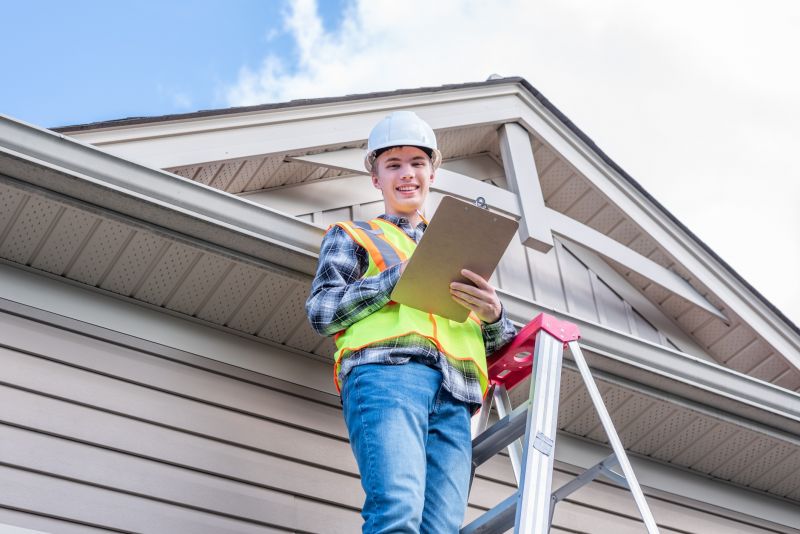
When comparing service providers for commercial roof inspection services, it is important to consider their experience with similar projects. A contractor who has a proven track record with buildings of comparable size, design, and roofing materials can offer valuable insights and tailored assessments. Homeowners should inquire about the types of commercial properties the contractor has worked on, ensuring they have relevant experience that aligns with the specific needs of the inspection. This background can help provide confidence that the service provider understands the unique challenges and requirements of inspecting commercial roofing systems.
Clear, written expectations are essential when evaluating local contractors for roof inspections. Homeowners should seek detailed descriptions of the scope of work, including what the inspection will cover, the process involved, and any follow-up recommendations. Having this information in writing helps prevent misunderstandings and ensures that both parties are aligned on the services to be provided. A reputable service provider will be transparent about their approach and willing to clarify any questions, making it easier to compare options and select a professional who meets the project's specific needs.
Reputable references and good communication are key factors in choosing a reliable commercial roof inspection service. Homeowners should request references from past clients who had similar projects and follow up to learn about their experiences. This feedback can reveal the contractor’s professionalism, thoroughness, and ability to deliver quality service. Additionally, effective communication throughout the process-such as responsiveness to questions and clarity in explanations-indicates a contractor’s commitment to customer service. While the website introduces homeowners to local options, it is important to independently verify these qualities to find a service provider that can handle the inspection professionally and reliably.
Property owners use Commercial Roof Inspection Service services for practical projects around their homes and businesses. This guide focuses on everyday jobs and straightforward project options.
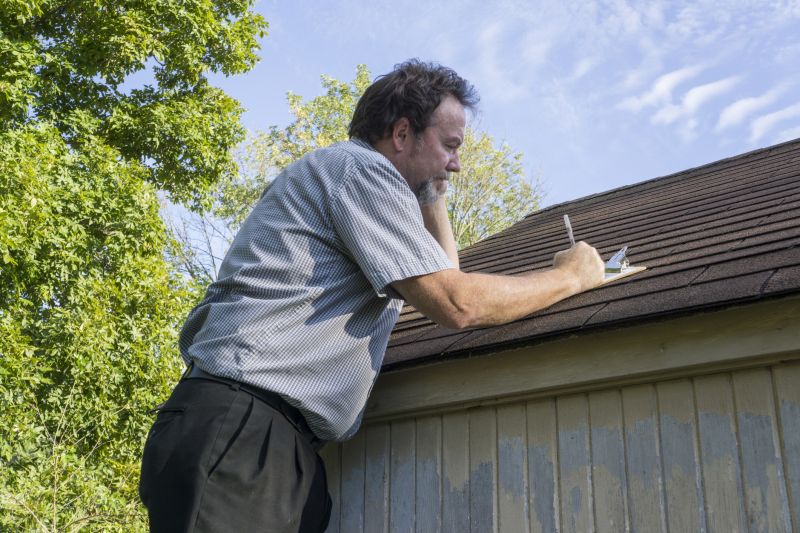
Commercial roof inspections are a common service requested by property owners who want to ensure their buildings remain in good condition. Whether it's preparing for seasonal changes, addressing visible damage, or simply maintaining the integrity of the roof, local contractors can assess the current state of roofing systems. Business owners and property managers often seek inspections after severe weather events or when signs of wear and tear become noticeable, aiming to prevent costly repairs down the line.
Many property owners also turn to local service providers for routine inspections to catch potential issues early. Regular check-ups can help identify leaks, loose flashing, or other vulnerabilities that might not be immediately obvious. These inspections are valuable for maintaining safety standards and protecting investments, making them a practical step for anyone looking to keep their commercial roofs in optimal condition.
What is a commercial roof inspection? A commercial roof inspection involves a thorough assessment of a building’s roof to identify potential issues, damage, or areas needing maintenance. Local contractors can provide detailed evaluations to help maintain roof integrity.
Why should a business schedule regular roof inspections? Regular inspections help detect problems early, prevent costly repairs, and extend the lifespan of the roof by addressing issues before they worsen.
What signs indicate that a commercial roof needs an inspection? Visible signs such as leaks, ponding water, damaged or missing shingles, or cracked flashing can suggest the need for a professional roof inspection.
What types of commercial roofs can local service providers inspect? Local contractors can inspect various roof types including flat roofs, metal roofs, built-up roofs, and membrane roofs, among others.
How can a commercial roof inspection benefit a business? A professional inspection can help identify vulnerabilities, ensure compliance with building standards, and support proactive maintenance planning to avoid unexpected issues.
Routine Roof Condition Checks - Property owners can schedule regular inspections to identify potential issues early and prevent costly repairs.
Post-Storm Damage Assessments - After severe weather, property owners may want local contractors to evaluate roof integrity and safety.
Pre-Listing Property Inspections - Homeowners preparing to sell can use roof assessments to ensure their property is market-ready.
Maintenance Planning - Regular inspections help owners plan necessary maintenance tasks to extend the lifespan of their roofs.
If you are thinking about Commercial Roof Inspection Service for a property, this guide is meant to help you understand the work, the typical project types, and how different options might fit your plans.
When you are ready, you can use the quote form on this page to share a few details about your project. From there, local pros can review the basics and respond with options that match what you have in mind.